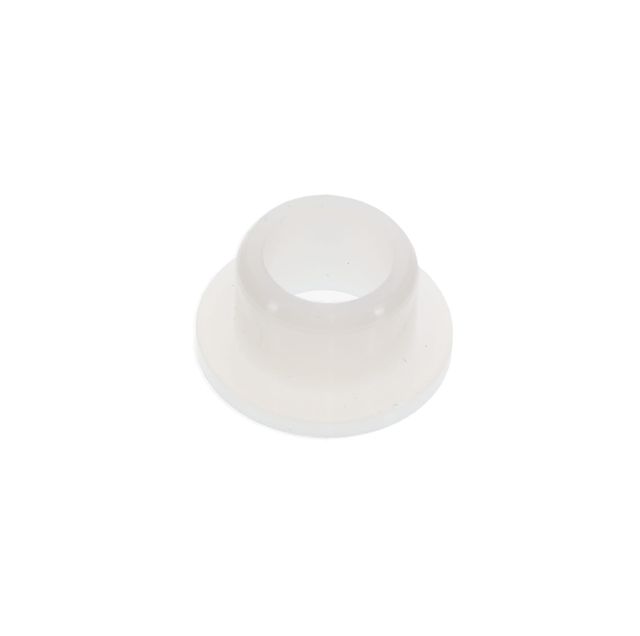
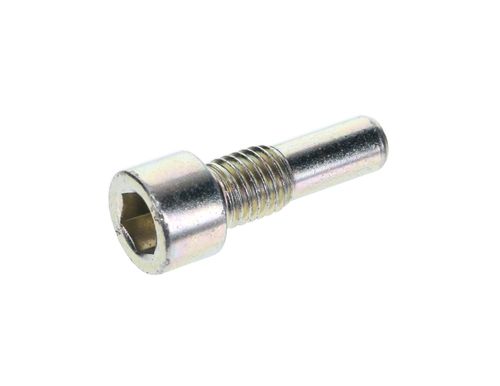
The Bomag Bushing (OEM 06281204) is a genuine replacement wear component designed for use on selected Bomag compaction equipment. Installed within a pivot point or mechanical assembly, the bushing provides a durable bearing surface between moving components, helping to maintain correct alignment, reduce friction, and minimise wear throughout the machine's operating life.
Manufactured to OEM specifications from high-strength, wear-resistant material, the bushing is precision-engineered to withstand heavy loads, continuous vibration, shock loading, and the demanding conditions encountered on construction and civil engineering sites. Designed as a direct replacement component, it restores the correct fit and function of the assembly, ensuring smooth operation and long-term reliability.
FUNCTION AND OPERATION
- Provides a bearing surface between moving components
- Maintains correct alignment within mechanical assemblies
- Reduces friction and component wear
- Absorbs heavy loads and shock forces
- Promotes smooth and controlled movement
- Designed for heavy-duty compaction applications
TECHNICAL DETAILS
- OEM Part Number: 06281204
- Type: Bushing
- Function: Bearing and wear component
- Application: Selected Bomag compaction equipment
- Material: High-strength wear-resistant construction
- Design: OEM direct replacement component
TYPICAL APPLICATIONS
Suitable for selected Bomag equipment, including:
- Tandem rollers
- Single drum rollers
- Soil compactors
- Other Bomag machines fitted with the compatible pivot or mechanical assembly
Always verify compatibility using the machine model and serial number before ordering, as bushings can vary in internal diameter, external diameter, length, and material specification between machine models and production revisions.
IMPORTANT INFORMATION
Always confirm the correct OEM part number, machine model, serial number, and assembly specification before ordering, as bushings are manufactured to precise dimensions and tolerances. Installing the correct component is essential to ensure smooth operation, minimise wear, and maximise the service life of the assembly.
Common signs of a worn or damaged bushing include excessive play, knocking noises, vibration, uneven wear, difficulty maintaining alignment, and visible scoring or deformation. When replacing the bushing, it is recommended to inspect the mating pin, shaft, housing, seals, lubrication points, and retaining hardware for signs of wear or damage. Replacing worn associated components at the same time will help maximise the reliability and service life of the complete assembly.